Most enterprises deploying AI have no visibility into what it is producing.
You know the AI is running. You do not know if it is working. You do not know which conversations are converting and which are failing. You do not know whether the governance controls you put in place are actually firing. You do not know which content your AI agent is producing that resonates and which gets ignored. You are operating a production AI system with no instrument panel.
That is not a technology problem. It is an architecture problem. Analytics must be designed into the AI system from the beginning — not bolted on after deployment when the questions start coming from the board.

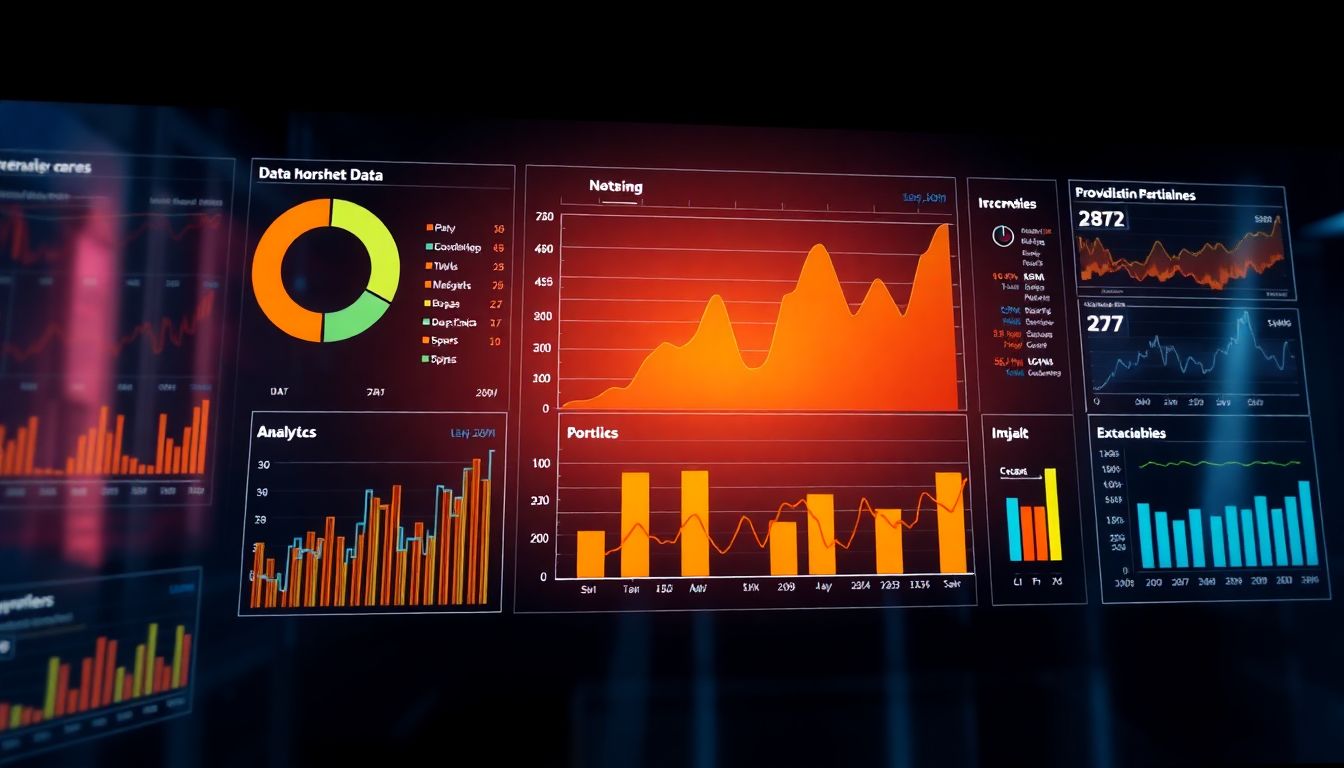
Eight signal categories. One real-time dashboard.
Conversion and Revenue Attribution
Which AI touchpoints lead to closed deals. Which conversations convert to bookings. Which content drives inbound. Attribution at the touchpoint level, not the channel level.
Conversation Quality and Sentiment
Across every AI interaction — chatbot, agent outreach, support conversations — real-time sentiment scoring. Topics surfacing. Escalation patterns. Satisfaction trends.
Content Performance
Every piece of content your AI agents produce — what gets read, shared, clicked. What topics drive the most engagement by sector and buyer persona. Feeds back into content agent configuration.
Agent Performance
Task completion rates, error rates, output quality scores, escalation frequency per agent function. Surfaces underperforming agents before they affect operations.
Pipeline and Outreach Intelligence
Response rates by outreach sequence, by industry, by buyer persona. Which messages land. Which subject lines open. Which follow-up timing works.
Governance Signals
Every AI output monitored against your governance rules. Violations surfaced. Bias signals detected. Human review triggers fired. Audit trail maintained.
Drop-off and Abandonment
Where conversations end. Where users stop engaging. Where the AI loses the thread. Identifies exactly where to improve.
Real-time Anomaly Detection
Anything outside expected parameters triggers an alert. Model drift. Unusual output patterns. Sudden drop in quality. Surfaces before it becomes a problem.